
 Published by Sue Johns-Chapman
Published Date 02.12.2025
Published by Sue Johns-Chapman
Published Date 02.12.2025 Author: Verónica Ruiz Morcillo
Creatives are becoming a central pillar in paid media. As platforms increasingly move towards automation, our approach to work and the elements we can control are evolving. This is where creatives play a crucial role in what we can influence and manage.
This is not just something advertisers have been witnessing over the last 18-12 months; it actually seems like a “secret” plan platforms like Meta have been pushing, maybe since TikTok jumped into the advertising space a few years ago, claiming “make TikTok, not ads”.
Meta states back in April this year, “With the rise of AI-enabled advertising tools, the focus has shifted from niche targeting to creative diversification as the best lever to find the most relevant audiences.”
Paid Media is Evolving to a New Era
Meta is leading this new trend in Paid Social strategy and performance. And we can see Google Ads and TikTok following this trend by pushing for new KPIs, new formats and variations.
The leading advertising platforms have been rolling out more tools and metrics to measure creative performance. In particular, we have all been witnessing (suffering) their constant interface updates, bringing more and more AI solutions.
The Latest Andromeda Update
But the most significant change that may finally prompt all advertisers to adopt this new approach has been the rollout of Meta’s Andromeda algorithm and its recent updates.
In a nutshell and without going into tech details, Andromeda is Meta’s new ad-retrieval engine, where ads have a shot at being shown is decided. The goal of this retrieval engine is to create a “shortlist” of strong ads, and by strong, it means strong personalised ads that are relevant and interesting.
Like it or not, Meta has much more information and data points about our final users than we can process, which is why it is becoming obsolete to strictly target audiences. A good variety of creatives for a broad audience is becoming the new way to target.
Here is where “a short list” becomes very important, because a “winner” ad for one person may be completely flat for another, despite both having the same interest in make-up for oily skin. Andromeda is aiming to personalise delivery so the right person sees the right variation.
Redefining Creative Similarity
This is also why Meta has strengthened the criteria to evaluate creative similarity. Tweaking copy, changing overlays, using different shots of the same creator within the same setting, and highlighting the same models are no longer enough. Anything that Meta feels like “Find 7 differences” is no longer considered a different ad.
Different now means Really Different. We are talking about concepts and angles, playing with different narrative framings like problem/solution, pain points, AIDA, testimonials…, embracing different formats like videos, statics, carousels…. (even TikTok is now pushing for statistics within their pro video platform), and definitely talking to varying personas at different funnel stages.
Talking about tapping into different personas, this is also becoming one of the best ways to scale. The more diverse the creatives you have by hooks and motivators, the more likely you are to scale and unlock new audiences. Meta has run their own analysis, which, although we would take it with a pinch of salt, is also very significant: “Different motivators unlock new audiences 89% of the time.”
What does this mean for brands?
For them to grow, or even keep up on the game, they would need to shift some of their attention (and budgets) into creatives. Their marketing budget must include asset creation to ensure the machine performs at its best.
What does it mean for their Paid Media Manager?
Their role is evolving and amplifying; the weight on media buying is becoming smaller, and the need for a creative strategy is becoming more relevant. In other words, chucking more budget into an ad account won’t cut it; your Paid Media manager and your creative team need to really start thinking outside the box. It is no longer enough to avoid stock imagery; now you need to think about different photoshoots, creators, and editors that will deliver the meaningful diversity that unlocks growth.
Ultimately, the key to thriving in this new era is recognising that creativity will be a crucial driver of effective advertising campaigns. Brands and paid media teams should adapt their workflows, metrics, and resources to align with this approach. Embracing this change will not only ensure relevance but also unlock new growth opportunities in an increasingly competitive market.
Author
Verónica Ruiz Morcillo is a seasoned Paid Media consultant with almost 13 years of experience. She has worked across the UK, EU, and US with a wide range of businesses, from global brands and SMEs to fast-growing startups and agencies, focusing on balancing rigorous analysis and creative execution to help brands scale efficiently and expand into new markets.
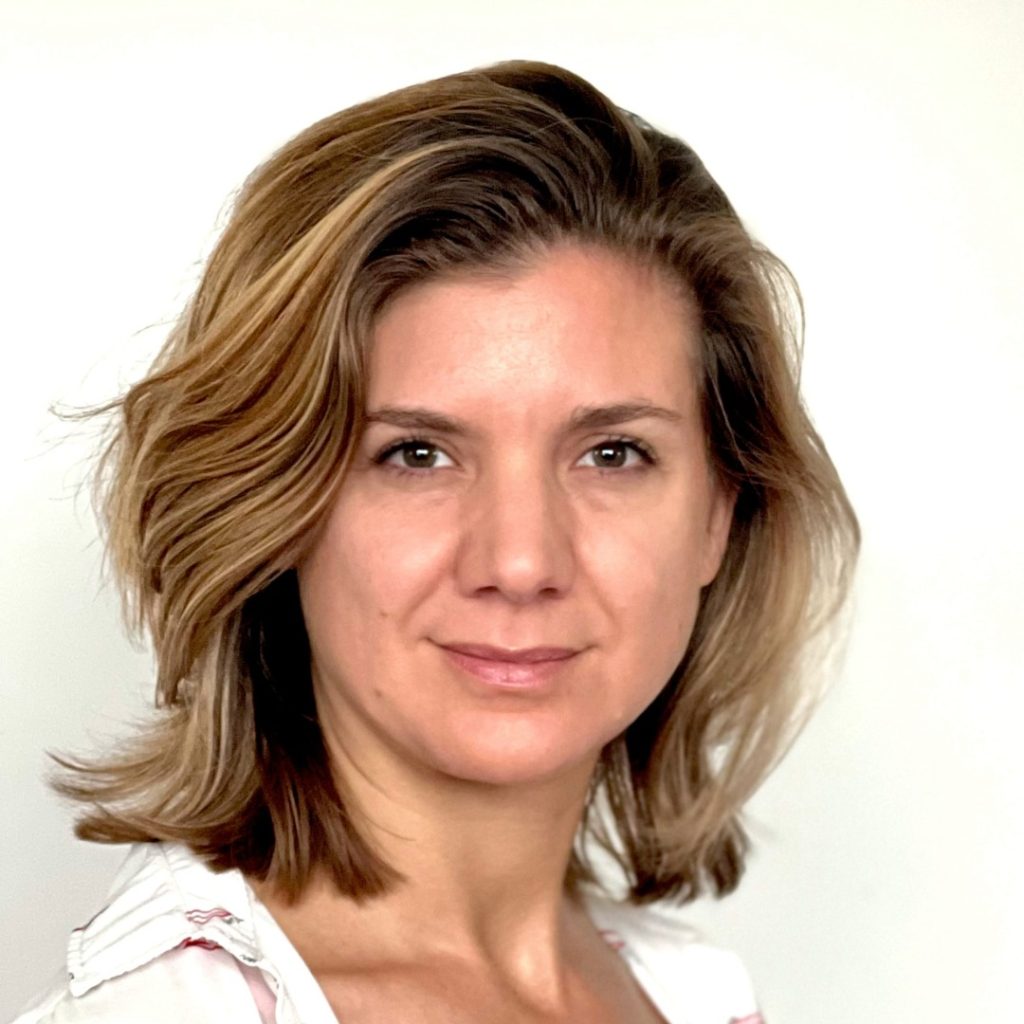
Verónica is also a speaker, contributor, and panellist on topics including performance strategy, media measurement, and creative effectiveness, having collaborated with well-known industry platforms and events such as BrightonSEO, PPC Hero, and PPC Live UK. She additionally serves as a judge for the Paid Media Awards, promoting excellence and innovation within the industry.